 HEARVELA
Advertisement · HEARVELA
Why can I hear people talking but not understand what they're saying?
If voices sound mumbled rather than quiet, you're describing one of the most common signs of age-related hearing loss. Here's what's going on, what your options are, and what changed in 2022.

If it's so common, why do so many people put it off?
About one in three U.S. adults aged 65 to 74 has hearing loss, and nearly half of those over 75 have difficulty hearing.1 Yet many never get a hearing aid. Cost, the hassle of appointments, and the feeling that it "isn't bad enough yet" are common reasons.
How does hearing work, in one paragraph?
Sound travels down the ear canal and moves the eardrum and three tiny bones. In the inner ear (the cochlea), thousands of tiny sensory "hair cells" turn those vibrations into signals the brain reads as sound. Different hair cells respond to different pitches.2
Why do we lose hearing as we get older?
Over years, hair cells can be damaged by age, noise, genetics and some health conditions, and they don't grow back. The ones that handle higher pitches are often affected first.1
Why does speech sound mumbled instead of just quieter?
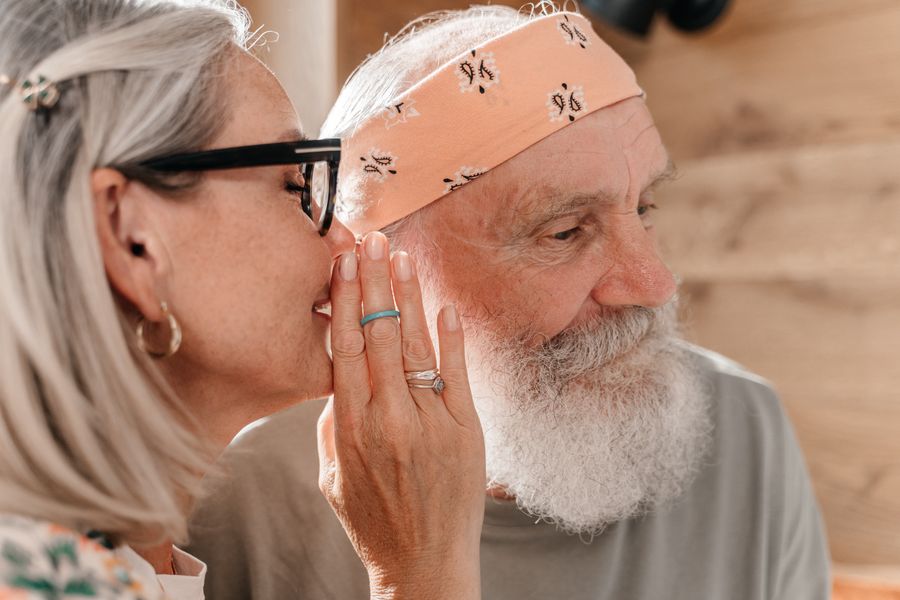
Vowels are mostly lower-pitched and carry the loudness of speech. Many consonants, like s, f, th and k, are higher-pitched and softer, and they carry much of the meaning. Lose some high-pitch hearing and you still hear that someone is talking, but words blur together, especially with background noise.
Can't I just turn the TV up?
Turning everything up makes the low sounds louder too, which can feel loud without being clearer. Hearing aids are built to amplify sound to help with hearing loss, and they have to meet FDA limits on maximum output to protect your ears.3
Is there a cure?
Not for age-related hearing loss caused by damaged hair cells. The main option is to make sounds easier to hear, usually with a hearing aid. A hearing aid won't restore normal hearing, but it can make everyday listening easier.
What are my options?
Prescription hearing aids are tested, fitted and programmed by a hearing professional. They suit every level of hearing loss, including severe, and the price usually includes that professional's time. OTC hearing aids, a category the FDA created in 2022, can be bought without an exam or prescription by adults 18+ with perceived mild to moderate hearing loss.3 Personal sound amplifiers (PSAPs) are not hearing aids and aren't meant to treat hearing loss.
What is HEARVELA One?
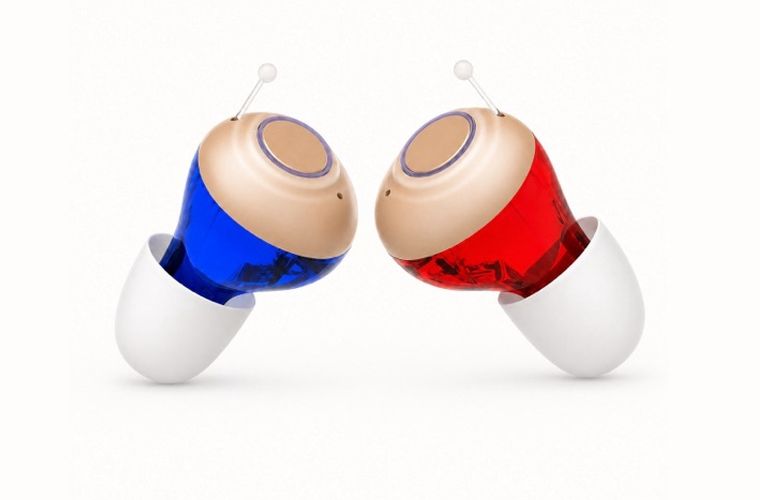
HEARVELA One is HEARVELA's OTC hearing aid for adults with perceived mild to moderate hearing loss. You set it up at home and adjust it yourself.
How can it cost less than a clinic hearing aid?
We sell online, direct to you, so there's no clinic or store markup, and the price doesn't include fitting appointments. It's designed for mild to moderate hearing loss, not severe.
How much does it cost?
$129 per pair (expected launch price), with free tracked U.S. shipping. For comparison, a 2015 White House advisory report put the average price of a single prescription hearing aid at about $2,400, usually including professional services.4
How do I buy it?
Answer a 60-second fit check, then go to secure checkout. It ships to your door with a printed guide. Orders aren't open yet; you can join the launch list.
What if it doesn't work for me?
You have 60 days from delivery to return it for a refund, and a 12-month warranty against defects. How returns work.
Who OTC hearing aids are (and aren't) for
OTC hearing aids are intended for adults 18 and older with perceived mild to moderate hearing loss. They are not intended for severe or profound hearing loss, and they are not for children.
See a doctor, preferably an ear specialist, before using a hearing aid if you have:
- A visible deformity of the ear, from birth or injury
- Fluid, pus or blood coming out of the ear in the past 6 months
- Pain or discomfort in the ear
- A history of excessive earwax, or you suspect something is in your ear canal
- Episodes of vertigo or severe dizziness
- Sudden, quickly worsening or fluctuating hearing loss in the past 6 months
- Hearing loss or ringing (tinnitus) in only one ear, or a noticeable difference between ears
Sudden hearing loss can be a medical emergency. If you notice it, contact a doctor right away. A hearing aid will not restore normal hearing or prevent hearing loss. Read the full OTC hearing aid information.
What should I do next?

If the safety checklist doesn't apply and your hearing trouble sounds mild to moderate, have a look at HEARVELA One.
Hearing the people you love shouldn't take this much effort.
- NIDCD, "Age-Related Hearing Loss (Presbycusis)".
- NIDCD, "How Do We Hear?".
- FDA, "OTC Hearing Aids: What You Should Know"; 21 CFR 800.30.
- President's Council of Advisors on Science and Technology, Aging America & Hearing Loss (2015).